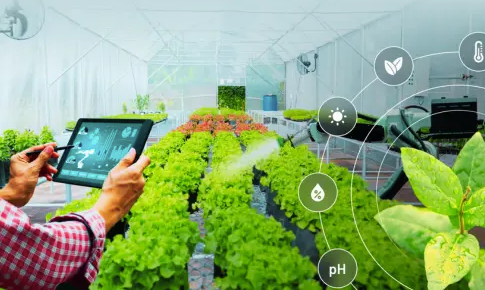

Technology in agriculture represents a significant shift from traditional methods to data-driven practices. Innovations such as precision farming and smart sensors provide farmers with essential insights into crop health and resource management. Moreover, the integration of drones has transformed monitoring capabilities. As these advancements continue to unfold, questions arise about their long-term impacts on productivity and sustainability. What challenges and opportunities lie ahead for the future of farming?
The Rise of Precision Farming
As agriculture faces increasing pressures from population growth and environmental concerns, the rise of precision farming has emerged as a transformative solution.
This approach leverages data analytics to optimize farming techniques, enabling farmers to make informed decisions.
Smart irrigation systems further enhance efficiency, allowing for targeted water usage based on real-time data, ultimately promoting sustainability and resource conservation in agricultural practices.
Innovations in Crop Monitoring and Management
While traditional farming methods often relied on visual assessments and basic tools, recent innovations in crop monitoring and management have revolutionized the agricultural landscape.
Smart sensors now provide real-time data on soil moisture and nutrient levels, while advanced data analytics enable precise decision-making.
These technologies empower farmers to optimize resource use, enhance crop yields, and ultimately promote sustainable farming practices, fostering greater agricultural freedom.
See also: armandeturf
The Role of Drones in Agriculture
The integration of advanced technologies in agriculture has expanded beyond traditional methods and smart sensors to include the innovative use of drones.
Drone applications enable farmers to conduct aerial imaging, providing vital insights into crop health and land conditions. This technology enhances decision-making processes, allowing for precise interventions and resource management, ultimately promoting sustainable agricultural practices while fostering a sense of freedom in operational efficiency.
Biotechnology: Enhancing Crop Resilience and Yield
Biotechnology plays a pivotal role in modern agriculture by developing genetically modified crops that exhibit enhanced resilience to environmental stressors and increased yield potential.
Through genetic modification, farmers can adopt sustainable practices that minimize resource use while maximizing productivity.
This innovative approach not only addresses food security challenges but also supports ecological balance, empowering farmers with the tools needed for a sustainable future.
Conclusion
In conclusion, technology in agriculture signifies a transformative shift towards enhanced productivity and sustainability. By embracing precision farming, leveraging advanced crop monitoring, utilizing drones for aerial insights, and harnessing biotechnology for resilient crops, farmers are not only addressing the challenges of food security but also fostering ecological balance. This integration of innovation is not merely a trend; it is a necessary evolution, ensuring that agriculture thrives in harmony with the environment while meeting the demands of a growing population.

 By
By