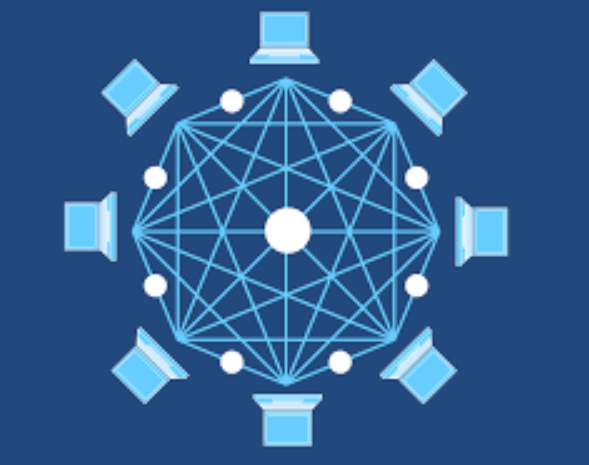

The digital divide represents a significant societal challenge. It highlights the disparities in access to technology among different communities, often shaped by economic and educational factors. As reliance on digital tools grows, the consequences of this divide become increasingly evident. Individuals without access may find themselves at a disadvantage in various aspects of life. Understanding the root causes and exploring potential solutions is essential to address this pressing issue. What strategies might effectively bridge this gap?
Understanding the Digital Divide
Although technology has become an integral part of modern society, the digital divide continues to pose significant challenges. Many individuals face accessibility challenges that hinder their ability to engage with digital tools.
Furthermore, varying levels of technology literacy exacerbate this divide, leaving some communities disadvantaged. Bridging this gap requires targeted efforts to enhance access and education, fostering an inclusive digital landscape for all.
See also: Technology in Agriculture
Causes of the Digital Divide
While advancements in technology have the potential to connect individuals worldwide, various underlying factors contribute to the persistence of the digital divide.
Access inequality remains a crucial barrier, as socioeconomic status often dictates the availability of devices and internet connections.
Additionally, varying levels of technological literacy hinder many from fully engaging with digital resources, perpetuating the divide and limiting opportunities for personal and professional growth.
Impacts on Society
As society becomes increasingly reliant on digital technologies, the impacts of the digital divide extend far beyond mere access to devices and internet connections.
Individuals lacking digital literacy are often marginalized, reinforcing economic inequality. This disparity prevents full participation in the digital economy, limiting opportunities for education, employment, and civic engagement.
Ultimately, this hinders societal progress and leaves vulnerable populations further behind.
Strategies for Bridging the Divide
Numerous strategies can be employed to bridge the digital divide, ensuring equitable access to technology and digital literacy for all individuals.
Community initiatives play a crucial role, fostering collaboration between local organizations and governments to enhance technology access.
Furthermore, targeted training programs can empower underserved populations, promoting skills essential for navigating the digital landscape.
These approaches collectively work towards a more inclusive society.
Conclusion
In a world where Wi-Fi is more coveted than gold and smartphones are the new status symbols, it’s almost charming how the digital divide persists. One can only imagine the joy of navigating life without a reliable internet connection—who needs access to information or economic opportunities when you can enjoy the bliss of ignorance? Yet, as society continues to march into the digital age, perhaps it’s time to reconsider: inclusivity might just be the next big trend after all.


 By
By