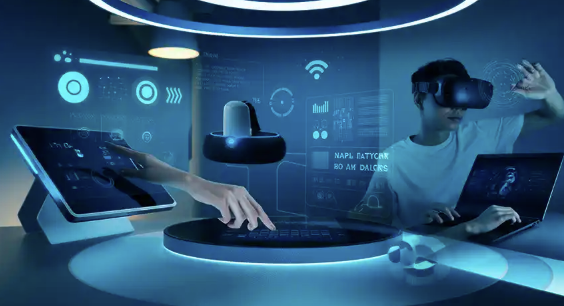

The future of human-computer interaction is poised for significant transformation. Key advancements in artificial intelligence, virtual reality, and natural language processing are driving this change. These technologies promise to create more intuitive and immersive user experiences. However, the integration of these innovations raises important ethical questions. Understanding these dynamics is essential for developing responsible technologies that foster user trust and engagement. What implications will these advancements hold for everyday interactions?
Advancements in Artificial Intelligence and Machine Learning
As technology evolves, advancements in artificial intelligence (AI) and machine learning (ML) have increasingly transformed the landscape of human-computer interaction (HCI).
These innovations enhance user experience through personalized interactions and predictive capabilities.
However, the integration of AI applications raises ethical considerations, demanding a focus on AI ethics to ensure responsible development.
Balancing innovation with ethical guidelines is essential for fostering trust in HCI advancements.
The Rise of Virtual and Augmented Reality
The integration of AI and ML has paved the way for innovative interfaces, setting the stage for the rise of virtual reality (VR) and augmented reality (AR) technologies.
These advancements foster immersive environments that enhance user engagement, offering interactive experiences that blur the lines between digital and physical realms.
As users seek greater freedom in exploration, VR and AR redefine the boundaries of human-computer interaction.
See also: The Digital Divide Explained
Natural Language Processing and Conversational Interfaces
Natural language processing (NLP) has significantly transformed the landscape of human-computer interaction by enabling machines to understand and respond to human language in a more intuitive manner.
The chatbot evolution highlights advancements in voice recognition, allowing users to engage seamlessly with technology.
As NLP continues to evolve, it fosters a more natural dialogue, enhancing user autonomy and redefining the boundaries of digital communication.
Designing for Enhanced User Experience and Accessibility
How can designers create interfaces that cater to diverse user needs while enhancing overall experience?
By prioritizing inclusive design, they can ensure accessibility for all users.
Utilizing user feedback throughout the design process allows for iterative improvements, addressing specific challenges faced by individuals.
This approach not only fosters user satisfaction but also empowers users, creating a sense of ownership and freedom in their interactions.
Conclusion
As the tapestry of human-computer interaction unfolds, threads of artificial intelligence, virtual reality, and natural language processing intertwine to create a vibrant and immersive landscape. This evolution, akin to an artist refining their masterpiece, emphasizes the necessity of ethical stewardship, ensuring that the brushstrokes of innovation enhance rather than obscure the human experience. In this new digital realm, user engagement will flourish, but only if accompanied by a steadfast commitment to accessibility and responsible development.

 By
By